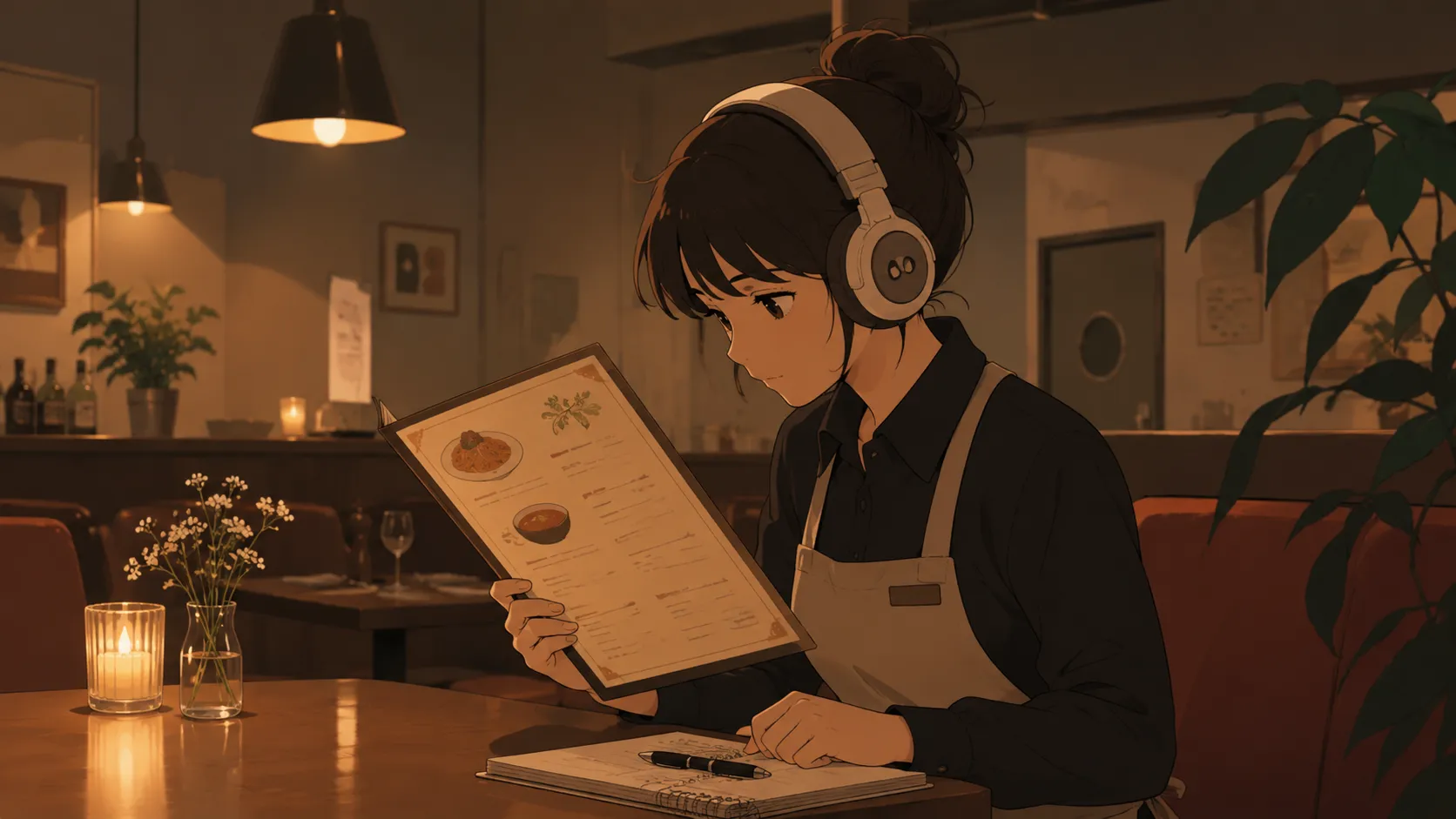
The most pocket-friendly menu study cards are the ones you never have to carry: digital cards on the phone already in your apron, not paper notecards that get bent, lost, or soaked behind the bar. Paper has a real charm, but a deck on your locked screen is always with you, updates when the menu changes, and can quiz you back. The fastest way to get there is to photograph the menu and let it become cards. A tool like MenuFlashcards does exactly that. It is in early access on iPhone.
This continues the paper index cards versus digital debate and sits with the best flashcard app for servers.
Why pocket notecards fall short on a shift
Paper notecards struggle in a working kitchen or bar because the environment is hard on them. They get wet, greasy, and dog-eared, they fall out of an apron mid-rush, and a stack is awkward to flip through with full hands. Worse, they cannot quiz you: a paper card shows the answer the moment you look, so you drift into rereading instead of recalling. For a quick glance they are fine, but as a study tool through a shift they quietly stop working.
Why digital cards win in your pocket
Digital cards win because the phone is already on you and the deck is always current. You study in the same device you check the time on, so a spare two minutes before doors becomes a quick round. When a special rotates or the menu changes, the deck updates from a new photo instead of a rewrite. And because the app hides the answer until you produce it, it pushes you into recall, which is the studying that actually sticks.
The format that matters more than paper or screen
The real question is not paper versus screen, it is recognition versus recall. A card you only read teaches less than a card you answer from memory. A review of the testing effect in the US National Library of Medicine found that retrieving an answer from memory fixes it far better than rereading. So whatever the format, the rule is the same: cover the answer, say the dish and its allergens out loud, then check. Digital cards just make that rule easier to follow on a busy day.
What each study card needs
Keep each card to what the table actually asks, paper or digital:
| To recall | Example |
|---|---|
| Name | Caesar salad |
| Key ingredients | Romaine, parmesan, croutons, dressing |
| Allergens | Dairy, gluten, anchovy, egg |
| Sides or pairing | Add chicken or shrimp |
| Note | Dressing contains anchovy by default |
Quiz from the dish name and produce the rest, the way an order arrives.
Put the deck where you will actually see it
The trick that makes digital cards beat paper is putting them in your path. Keep the app one tap from your home screen, or run a quick round whenever you would otherwise scroll, on the bus, on break, before your shift. A paper card in a uniform pocket is easy to forget; a deck you have placed front and center on the phone gets used. Convenience is what turns “I should study” into actual reps.
Space the reps across the day
However you carry the cards, do not cram them. Research on the spacing effect shows the same practice sticks far better spread across short sessions than packed into one block. Three ten-minute rounds across a couple of days beat one long sitting, and a digital deck makes those short, scattered rounds effortless because it is always to hand.
Do not skip allergens
Allergens are the part of any study card that carries real risk, so they belong on every one. Know which dishes contain dairy, gluten, nuts, and shellfish, and quiz them as hard as the ingredients. When a card is digital, you can flag allergens clearly and resurface the ones you miss, and when you are unsure on the floor, checking with the kitchen is always the right move over a guess.
A plan for pocket-friendly study
- Photograph the menu and build the deck; fix any misreads.
- Put the app one tap from your home screen.
- Quiz from the dish name, answer out loud, then check.
- Drill allergens as hard as ingredients.
- Run short rounds across the day rather than one long cram.
Bottom line
The best pocket-friendly menu study cards are digital ones on the phone you already carry: always with you, always current, and able to quiz you, which paper notecards cannot do through a shift. The format that matters is recall over recognition, and a deck in your pocket makes that easy to practice in spare minutes. MenuFlashcards builds that deck from a photo. It is in early access, so join the list and start with the free deck when it opens.