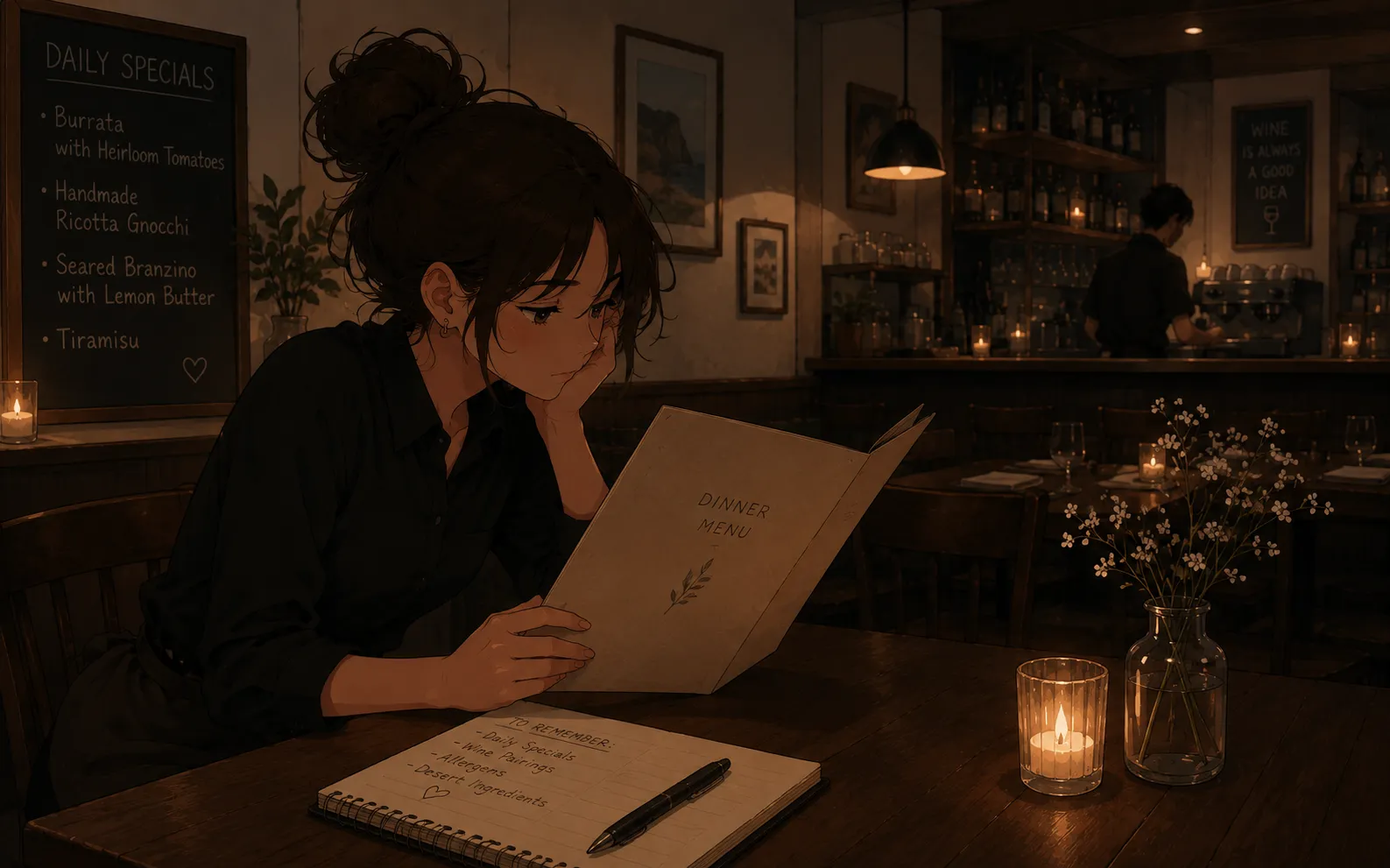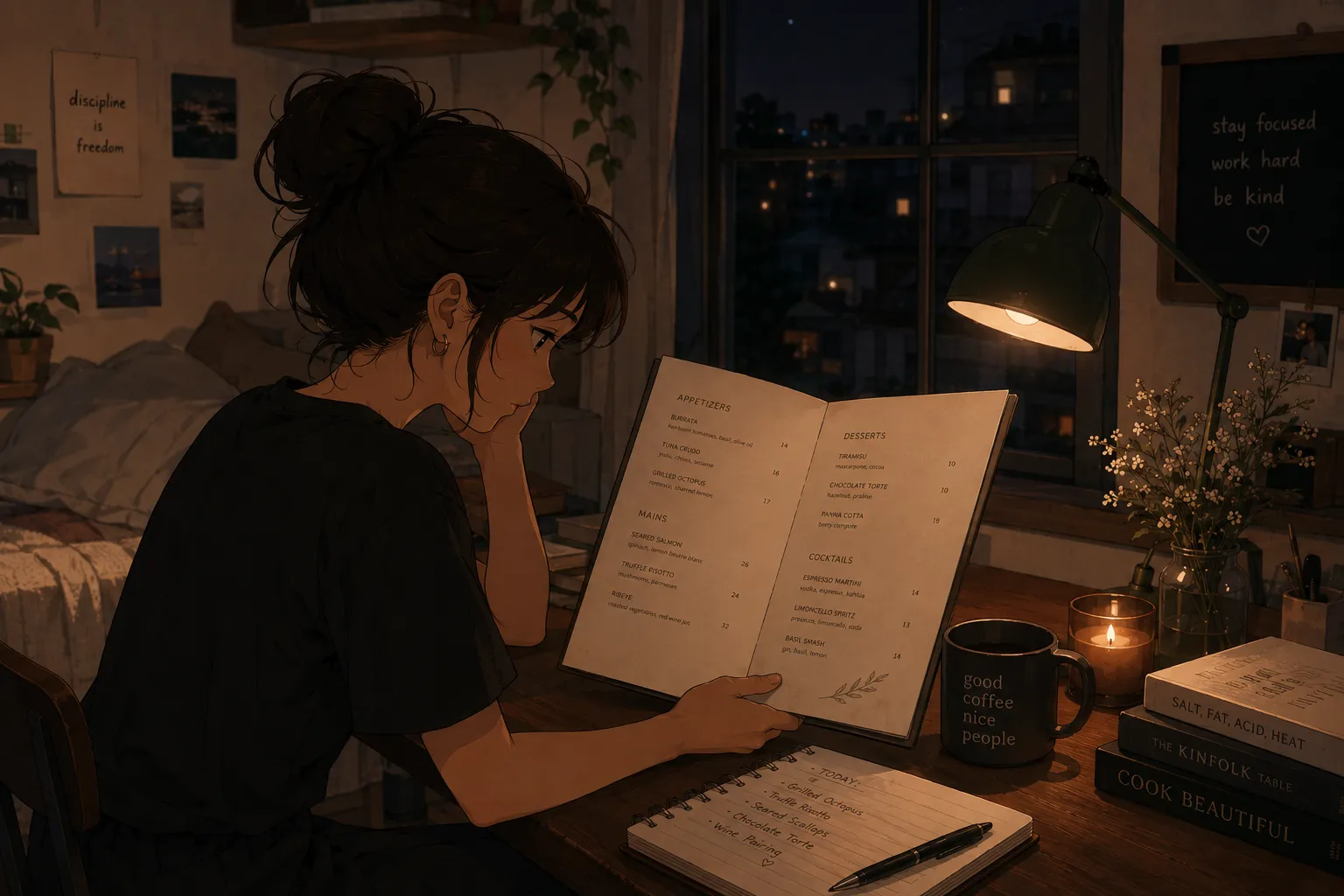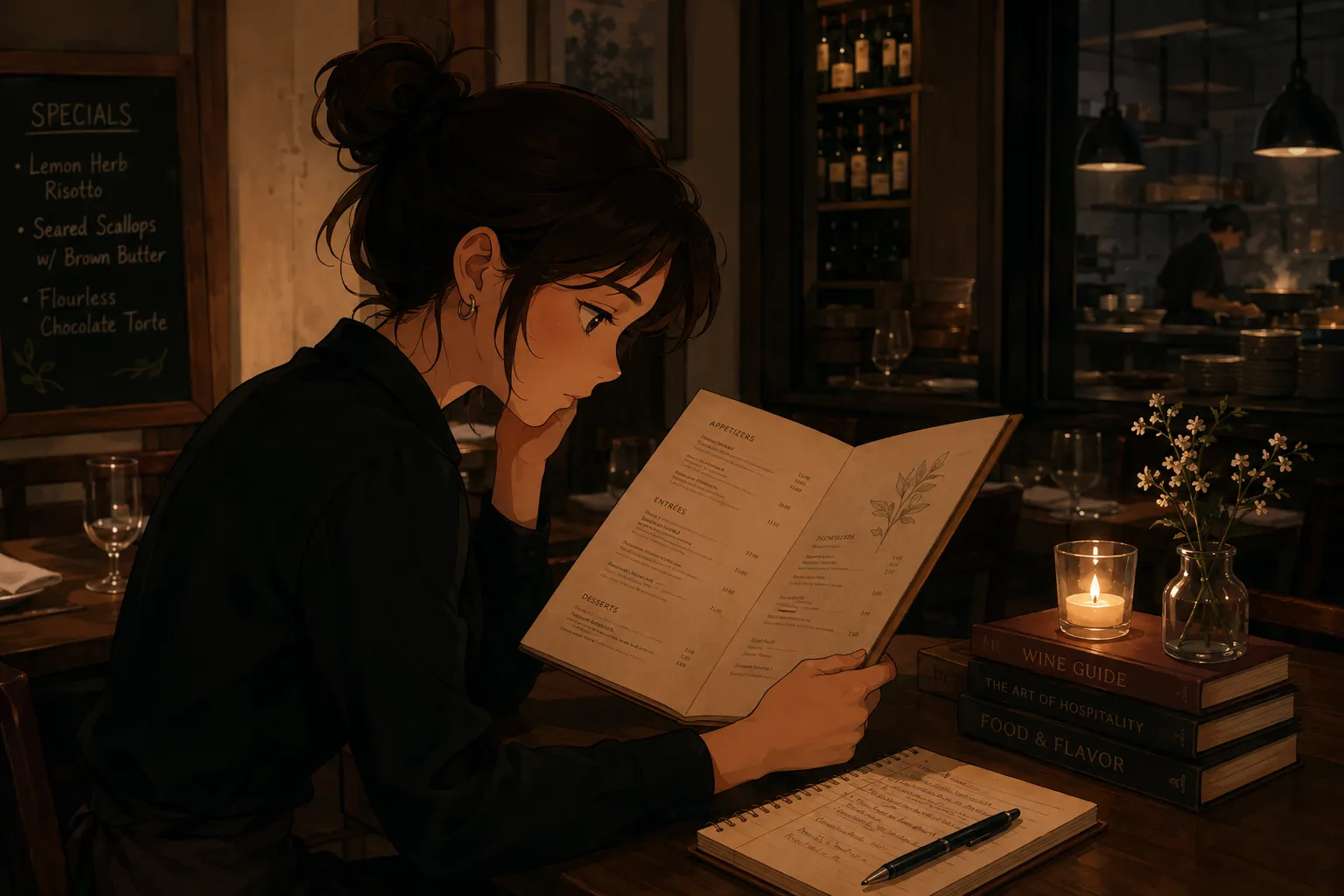
A custom barista flashcard creator beats a generic drinks deck because it learns your cafe’s espresso ratios, not someone else’s: you photograph your own recipe sheet, it becomes cards, and you quiz the ratios that actually match your bar. A downloaded set teaches drinks you do not serve and misses your specials. A tool like MenuFlashcards builds that custom deck from a photo. It is in early access on iPhone.
This sits with learning pumps, grams, and shots visually and barista drink flashcards.
Why a custom deck beats a generic set
A generic barista flashcard set almost never matches your cafe, which is why it disappoints. Ratios and recipes vary: your flat white shots, your house syrup pumps, your signature drinks are not a stranger’s. A custom deck built from your own recipe sheet means every card is a drink you will actually be asked for, with your bar’s exact numbers. That relevance is the whole point of a creator: you study what you pour, not a generic menu.
Create the deck from a photo, not by typing
The slow part of any creator is the data entry, so skip it. Photograph your espresso recipe sheet and the app turns it into cards in minutes, instead of you typing every drink and pump count. When a recipe is tweaked or a seasonal drink lands, a new photo updates the deck. For an indie barista who owns their own learning, that near-zero setup is what makes a custom deck realistic to build and maintain.
What each espresso card needs
Keep each card to what you build at the machine:
| To recall | Example |
|---|---|
| Drink | Flat white |
| Shots | Two ristretto |
| Milk and texture | Steamed, thin microfoam |
| Pumps by size | Per your cafe’s spec |
| Allergen note | Dairy; oat and soy options |
Quiz from the drink name and produce the ratio, the way an order is called.
Learn ratios, not drinks
The espresso menu is mostly the same parts in different proportions, so a smart custom deck lets you learn ratios rather than memorizing each drink. A latte is espresso with steamed milk and a little foam; a flat white has thin microfoam; a cappuccino is roughly equal espresso, milk, and foam. Hold the ratio and the size-scaling rule, and a new drink is a variation, not a new card to cram.
Why quizzing beats rereading
Quizzing yourself beats rereading because the machine asks you to produce the ratio, not recognize it. Reading your recipe sheet feels productive but leaves you guessing mid-rush. A review of the testing effect in the US National Library of Medicine found that retrieving an answer from memory fixes it far better than rereading. Cover the drink, call the shots, milk, and pumps out loud, then check.
Keep it current when recipes change
A custom deck only helps if it stays current, and an indie cafe tweaks recipes often. Re-photograph the updated sheet and the affected cards rebuild, instead of you editing a stack by hand. That is the real advantage of creating from a photo: updating is a thirty-second job, so your deck never drifts from what you actually serve, the way a printed cheat sheet does.
Space it across short sessions
Do not cram the recipes in one sitting. Research on the spacing effect shows the same practice sticks far better spread across short sessions than packed into one block. Three ten-minute rounds across a couple of days beat one long session, so build the deck once and run quick quizzes leading up to your shifts.
A worked example
Take your house flat white. The weak way: read the recipe sheet and hope it sticks at the machine. The strong way: a card with two ristretto shots, steamed milk, thin microfoam, your pump spec, dairy flagged with oat and soy options. You cover it, call the build out loud, then check. One drink, one ratio, repeated, and the rest of the espresso menu falls into place because it shares the method. Review the drinks you miss more than the ones you have down.
A common mistake to avoid
The usual error is downloading a generic deck and assuming it matches your bar, then learning shots and pumps that are not your spec. The second is studying drink names without the ratios, so you know the menu but freeze at the machine. Avoid both: build the deck from your own recipe sheet, quiz the ratio with the name, and treat your cafe’s exact numbers as the thing to lock first. A custom creator only helps if the cards are genuinely yours.
Bottom line
A custom barista flashcard creator wins because it learns your espresso ratios, not a generic set: photograph your own recipe sheet, learn ratios over drinks, quiz by recall, and re-photograph when recipes change. MenuFlashcards builds that custom deck from a photo. It is in early access, so join the list and start with the free deck when it opens.